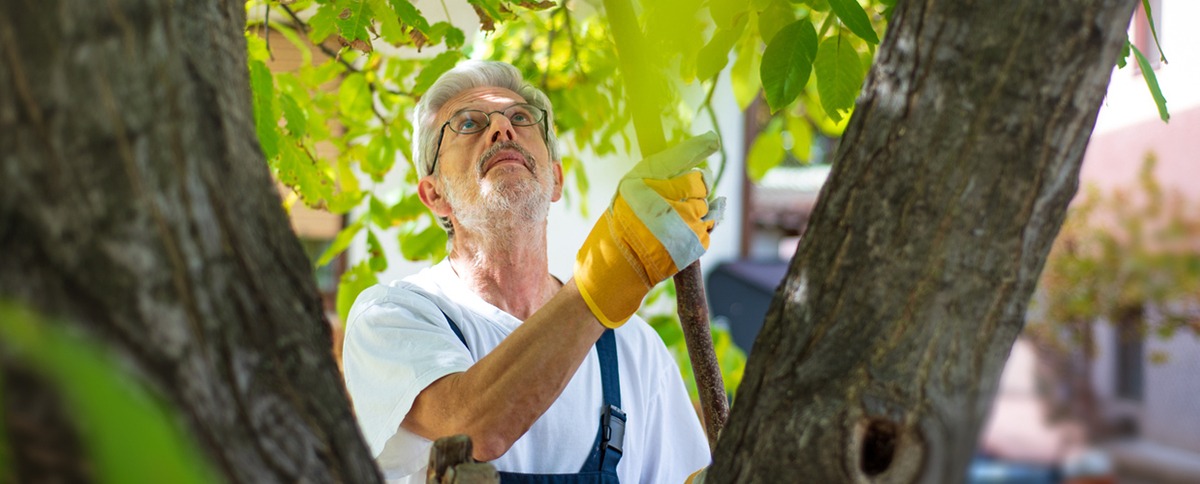
Trees can make a property look more attractive, provide shade in warm weather, create privacy, and add a sense of comfort to any outdoor space. However, trees also need regular attention because they are living structures that change throughout the year. A branch that looks harmless in summer can become heavy and unstable during winter snow or strong winds. Roots that seem healthy in dry weather may become weak when the ground is saturated by rain. Seasonal tree maintenance is not only about keeping a yard neat. It is a practical way to identify small problems before they become expensive emergencies involving roofs, vehicles, fences, driveways, utility lines, or neighboring properties.
For homeowners who want to avoid major repair bills, working with affordable tree services Riverside NJLinks to an external site.
Property damage caused by trees can happen surprisingly fast. A large branch falling on a roof may break shingles, bend gutters, crack skylights, or damage siding. If rain enters through that damaged area, the cost can grow quickly as water reaches insulation, ceilings, walls, electrical components, flooring, and furniture. A fallen limb can also dent a vehicle, destroy a fence, block a driveway, or damage outdoor equipment. These problems are not always caused by dramatic storms. Sometimes a branch fails during ordinary wind because it was already dead, cracked, diseased, or overloaded long before the weather changed.
Spring inspections and recovery
Spring is one of the most important times to inspect trees because it reveals what winter may have left behind. Ice, snow, freezing temperatures, and strong seasonal winds can create cracks, split branch unions, weaken limbs, and place extra weight on parts of the tree that were already under stress. Once temperatures rise, homeowners should take a slow walk around their property and look for hanging branches, broken limbs, damaged bark, fresh leaning, or unusual changes in the ground around the tree base.
Spring maintenance is particularly helpful because it allows property owners to deal with winter damage before spring storms bring heavy rain and wind. Dead or broken branches should not be left hanging over roofs, walkways, parked cars, decks, or play areas. They may appear stable until one gust of wind or one rainy day causes them to fall. Removing them early is usually simpler, safer, and less expensive than waiting for an emergency response after damage has occurred.
This is also a useful time to check whether branches are growing too close to a roof, chimney, window, or power line. Tree limbs that rub against a roof can wear down shingles over time, while branches resting near gutters may contribute to clogs and poor drainage. When gutters become blocked by leaves, small branches, and debris, water may overflow near the home’s foundation or back up beneath the roofing materials. What begins as a tree maintenance issue can eventually become a water damage problem, which is why managing clearance around structures matters so much.
Spring is also when many trees begin showing early signs of disease or stress. Sparse leaf growth, discoloration, unusually small leaves, dead sections in the canopy, peeling bark, fungal growth, or visible cavities should not be ignored. These signs do not automatically mean that a tree needs to be removed, but they can indicate that it needs a professional evaluation. Catching a problem early may allow for targeted pruning or treatment instead of waiting until the tree becomes structurally unsound.
Summer care and growth control
Summer is often when trees look their healthiest, but it is also the season when fast growth, heat stress, insects, and dry conditions can create hidden problems. The canopy becomes fuller, branches become heavier, and trees may extend closer to homes, driveways, utility lines, and neighboring properties. A thick canopy can provide excellent shade, but if it becomes too dense or uneven, it may be more vulnerable to wind damage.
Seasonal pruning in summer should be focused and careful. The purpose is not to remove large amounts of healthy growth without a reason. Instead, maintenance can address low hanging limbs, dead branches, crossing limbs, and growth that creates direct conflict with buildings or other trees. Proper pruning helps improve airflow through the canopy and reduces excessive weight in weak areas. This can make the tree more resilient when summer thunderstorms arrive.
Heat and drought can affect tree health in ways that are not always immediately visible. Young trees, recently planted trees, and trees with shallow roots may need consistent deep watering during extended dry periods. A tree under water stress may shed leaves early, develop brittle branches, or become more vulnerable to insects and disease. Supporting healthy root systems through proper watering and mulching can improve resilience, but mulch should never be piled directly against the trunk. Excessive mulch against the bark can trap moisture and contribute to decay.
Summer is also a good time to look for pest activity. Holes in bark, sawdust like material around the trunk, sticky residue on leaves, unusual leaf curling, sudden branch dieback, or visible insects can all suggest that a tree is under attack. Some pest issues are minor and temporary, while others can weaken a tree substantially over time. Early identification is valuable because it may prevent the issue from spreading to nearby trees and help protect the larger landscape.
Another overlooked summer concern is the way branches create access routes for pests. Limbs touching the roof or siding can provide a path for rodents, insects, and other unwanted visitors to reach the home. Keeping reasonable clearance between trees and structures is a simple step that supports both property maintenance and household comfort.
Fall preparation for storms
Fall is the season when trees prepare for dormancy, but homeowners should prepare their landscape for colder weather. Leaves begin to fall, visibility through the canopy improves, and hidden structural issues may become easier to spot. This is a useful time to inspect the shape of the tree, identify weak limbs, and remove deadwood before snow or ice adds extra weight.
Leaf cleanup is more important than it may seem. Wet leaves can accumulate in gutters, drainage areas, around foundations, and near outdoor structures. When water cannot flow properly away from a home, it can contribute to erosion, basement moisture, standing water, and damage to landscaping. Removing leaf buildup regularly helps protect drainage systems and keeps the property safer during autumn rain.
Fall pruning can reduce the risk of winter breakage by removing damaged, diseased, or weak branches before snow and ice arrive. A branch that is already cracked may survive a mild autumn but break under the additional weight of wet snow. The same is true for long, overextended limbs above roofs, driveways, or areas where people walk. Addressing these risks before winter is usually much safer than dealing with them while the ground is icy and weather conditions are difficult.
Fall is also a great time to think strategically about tree placement. If a tree repeatedly causes problems because it is too close to a structure, blocks drainage, interferes with power lines, or damages a sidewalk with its roots, it may be time to consider long term changes. Sometimes selective pruning is enough. In other situations, a poorly located or severely declining tree may need removal and replacement with a more suitable species in a better position.
Winter checks and prevention
Winter can be one of the harshest seasons for trees because snow, ice, cold temperatures, and high winds place stress on branches and trunks. Deciduous trees lose their leaves, making it easier to see their structural form. This can help reveal crossing branches, weak unions, dead limbs, and sections of the tree that were hidden by foliage during the rest of the year.
After a snowstorm or ice event, property owners should check trees from a safe distance. Heavy snow can bend branches close to the ground, while ice can place a surprising amount of weight on limbs that normally seem strong. It is important not to shake branches aggressively or attempt to cut damaged limbs without proper experience, particularly when they are near utility lines or hanging above a structure. A branch under tension can move suddenly and create a dangerous situation.
Winter is also a valuable season for planned pruning because dormant trees are easier to assess. With less foliage, it becomes simpler to identify the overall structure and remove problem branches without interfering with active growth. This kind of scheduled care can reduce storm related risks before the next growing season begins.
The main benefit of year round tree maintenance is that it transforms tree care from a reaction into a plan. Instead of waiting for a branch to fall, a roof to leak, or a driveway to become blocked, homeowners can make thoughtful decisions based on the condition of their trees and the changing demands of each season. Regular inspections, appropriate pruning, healthy root care, debris management, and professional help when necessary can prevent costly property damage while preserving the beauty and value that healthy trees bring to a home.


 icons at the top
right corner of the subsection.
icons at the top
right corner of the subsection.